
Facelift: Product Design Evolution
Facelift was a systematic update of the product's visual design during a period of rapid growth and increasing competition.
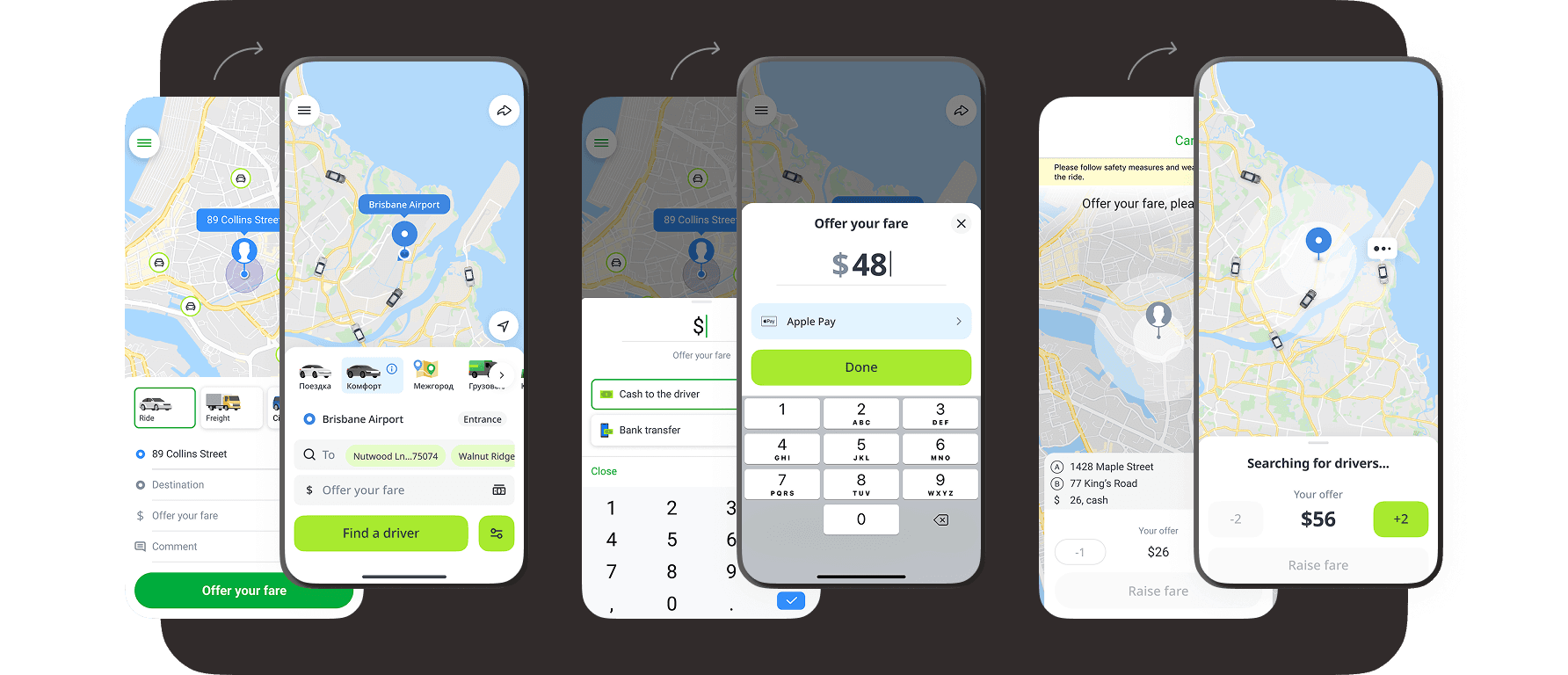
Context
The product had grown significantly, but the design was falling behind the market: • the interface felt outdated and overloaded • the visual style lacked consistency
This was confirmed by both internal feedback and research: usability testing and qualitative studies. At the same time, competitors were improving their user experience, creating reputational risks and affecting user acquisition.
Approach
I chose an evolutionary approach instead of a full redesign. The key idea was to update the visual design without changing existing user flows.
Principles: • visual changes only • preserve core user flows • gradual rollout through product teams • research and validation-driven decisions
This helped reduce risks and made the changes feasible.
Execution
The project included several key stages:
1. Research & analysis • audit of the current interface • qualitative user research • feedback from product teams Clear design quality criteria were defined (readability, structure, clarity, etc.)
2. Concepts Several facelift design concepts were created that: • redefined the visual style • improved readability and structure • made the product more modern and recognizable
3. Validation Concepts were tested through: • qualitative research • internal team reviews • competitor comparisons
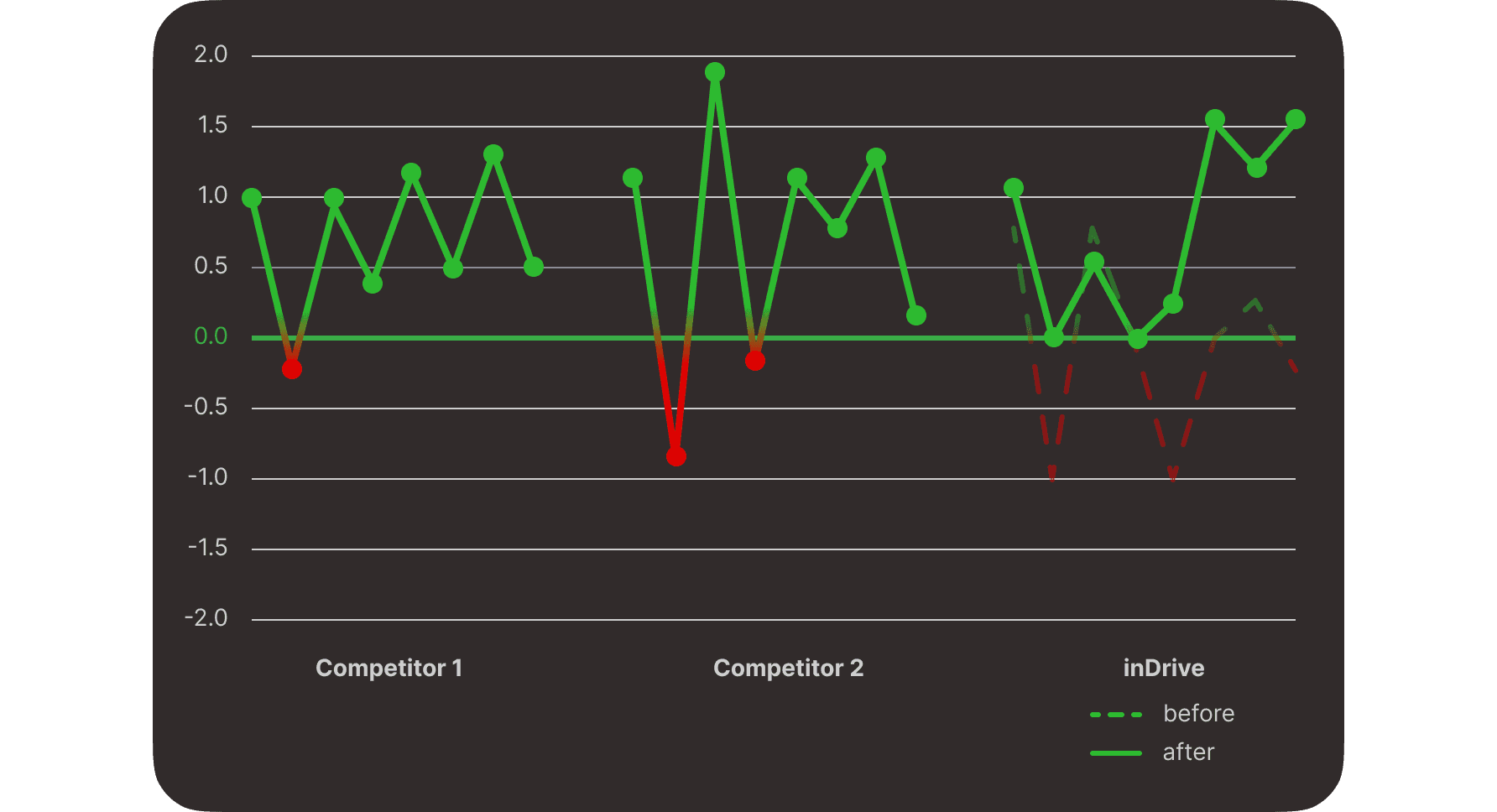
Initial tests benchmarked against competitors using design quality criteria. Later, comparisons included both competitors and the current product.
4. Design system integration Facelift was aligned with the development of the design system: • updated components • unified visual patterns • prepared for scalable rollout
5. Gradual rollout Instead of a single release, changes were implemented: • through product teams • alongside feature development • without stopping ongoing work
Result
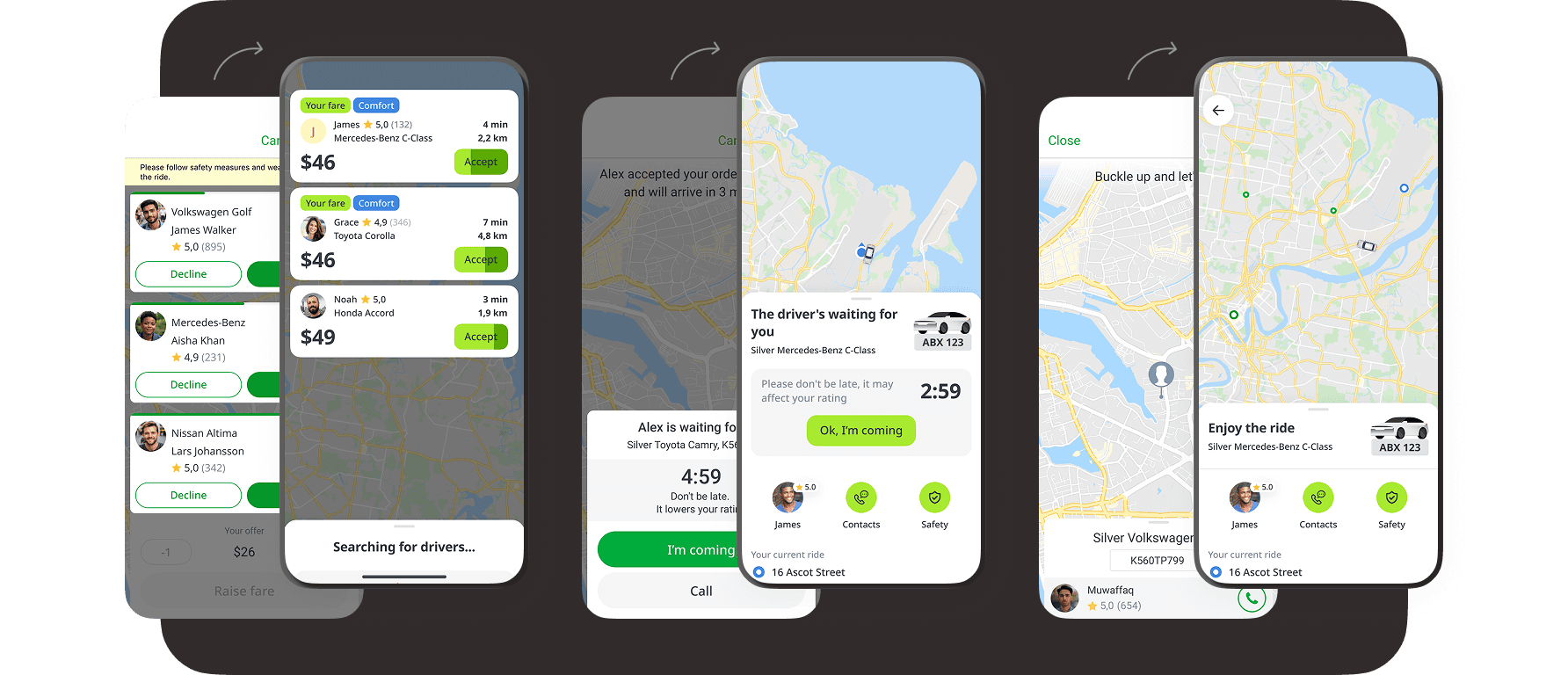
Hundreds of screens and dozens of user flows were redesigned. The project allowed us to: • update the product's visual perception without risking key metrics • improve consistency across interfaces • bring the product closer to competitors • build a foundation for future design development
Additional outcomes: • design became more manageable and predictable • the gap between design strategy and product development decreased • a solid base for future improvements was established
Conclusion
Facelift showed that large-scale design changes don't always require a full redesign.
An evolutionary approach allows you to: • introduce improvements gradually • reduce internal resistance • align design with business goals
And of course, this project wouldn't have been possible without a strong team of product designers, product managers, and a CPO who truly cared about the product.